-
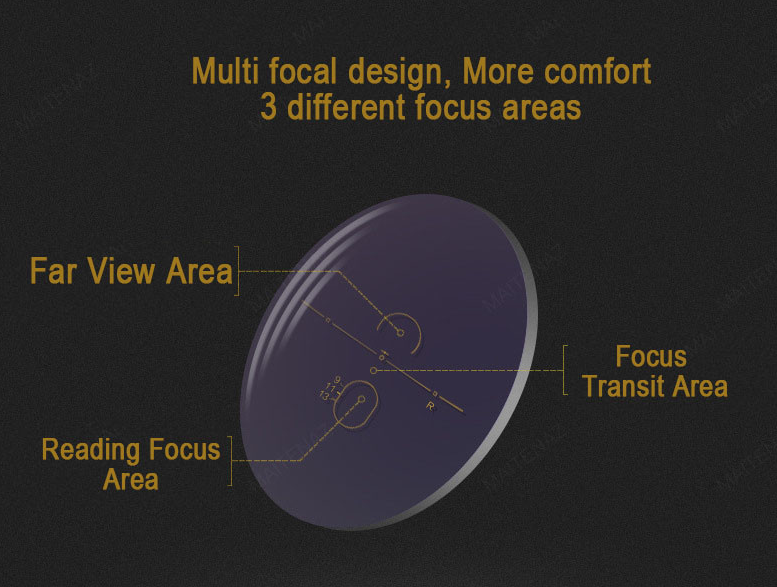
what is progressive lens? Progressive lenses are a type of eyeglass lenses that provide a smooth and seamless progression of several vision correction powers within a single lens. They are also known as no-line bifocals or varifocal lenses. Unlike traditional...Read more »
-
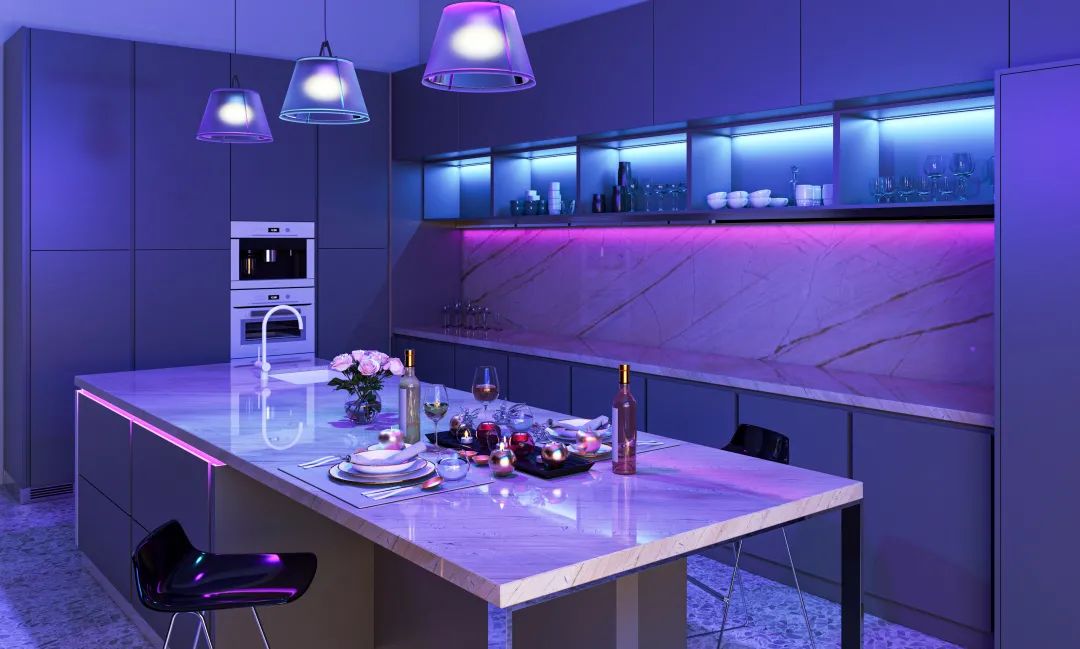
What is blue light? The wavelength of visible light is 380-780NM, and that of blue light is 380-50NM, which is one of the shortest wavelength and highest energy. Where does blue light exist? Blue light exists in many things that people...Read more »
-
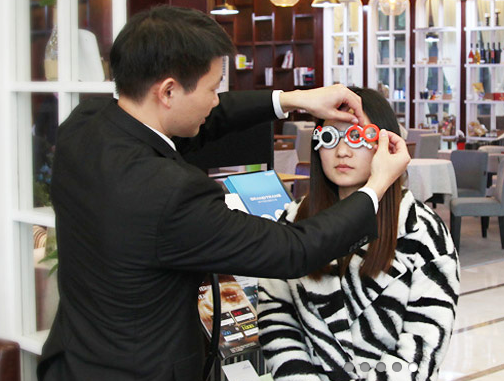
1. Who is suitable for progressive multifocal lenses? Suitable for the adjustment of the decline, at the same time to see far, fancy or at the same time to see far near different needs of people (especially to see the computer and mobile phone needs), you do not have to ...Read more »
-

People often ask if they need to wear a pair of blue-blocking glasses to protect their eyes when looking at their computer, pad or mobile phone. Did myopia laser correct after the operation need to wear anti blue ray glasses to protect the eye? To answer these q...Read more »
-
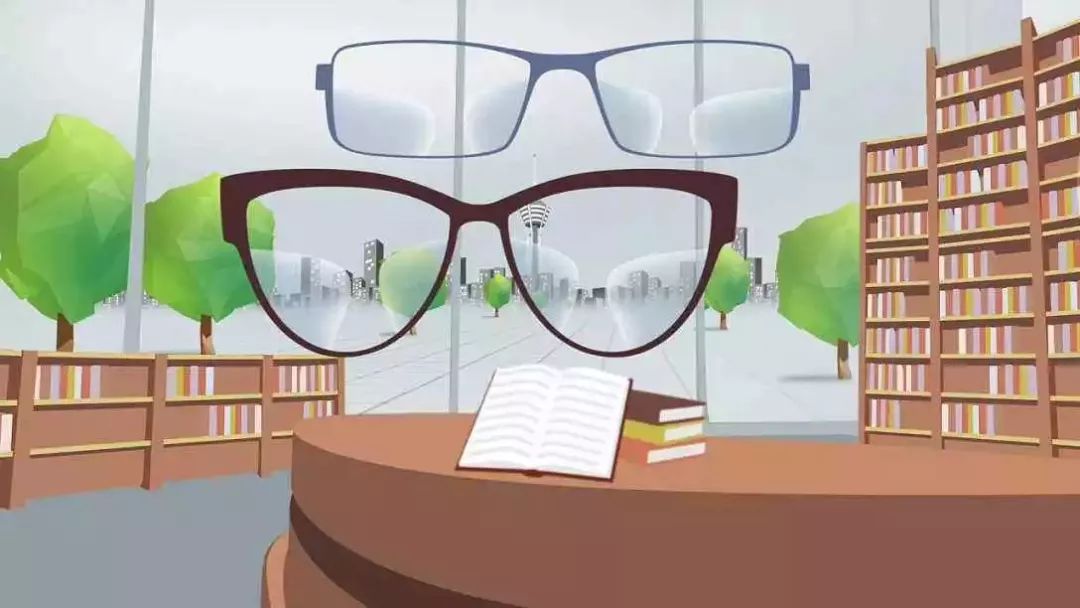
Progressive lenses, referring to multi-focal lenses, are widely worn in Europe and the United States, but have only become popular in China in the past 10 years. Let's look at a picture of progressive multifocal glasses. Nowadays, many...Read more »
-

The popularity rate of progressive films in developed regions such as Europe and the United States has exceeded 70%, and progressive films account for 30% of the sales volume, with annual sales of about 500 million. However, progressive films are less than 3% popular in ...Read more »
-
The three major materials of optical lenses: what are the specific differences and advantages and disadvantages of the three popular optical lenses. Fitting glasses of the lens knowledge, we introduced the type of lens function, the particularity of the material slightly...Read more »
-

Garage custom lens referred to as garage piece, set production. Garage customized lens refers to the product that can not be met by the supply of existing pieces and is used to meet the special needs. This kind of lens is different from the ordinary conventional lens, wh...Read more »
-

Color-changing lenses are becoming increasingly popular because they not only provide UV protection, but are also suitable for daily wear. The most important point is to meet the needs of different groups of people, such as presbyopia, myopia, flat light and so on. So, h...Read more »
-
The choice of lens can be considered from three aspects: material, function and refractive index. material Common materials are: glass lenses, resin lenses and PC lenses Suggestions: CHILDREN active, from safety considerations, the best choice of resin lenses or PC lense...Read more »
-

1, choose the right frame Here is a common cognitive misunderstanding, not expensive frame quality is good, and not cheap frame is not good goods. Have a certain understanding of materials, miscellaneous brand of cheap frames can also be bought with good quality. Because...Read more »